Effect Pigments for Seed Coating
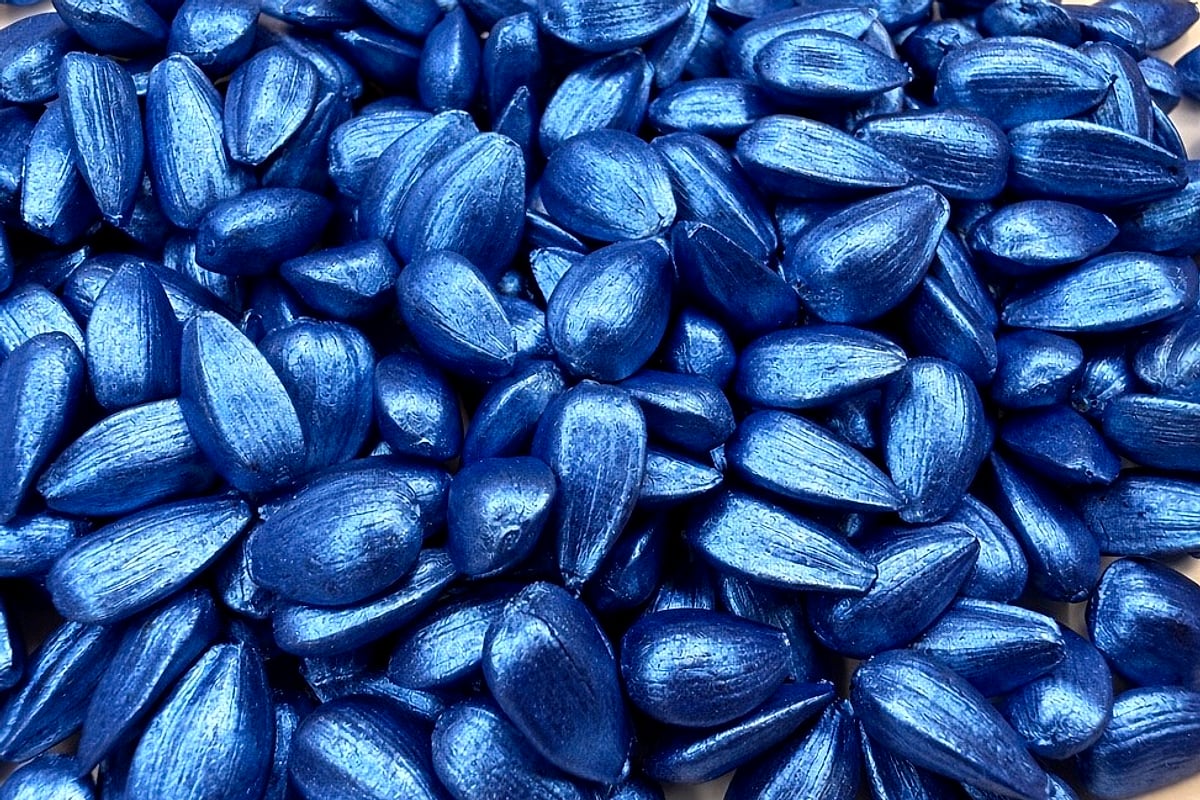
Identification, not decoration. Microplastic-free pearlescent pigments for brand recognition, anti-counterfeiting and sowing visibility — engineered and stocked in the EU.
The Microplastic Deadline Is Your Opportunity
EU Regulation 2023/2055 restricts intentionally added microplastics. Seed coatings without plant protection products must comply by October 2028; treated seeds by October 2031. ChemTech pigments are inorganic mica-based materials — outside the definition of synthetic polymer microparticles by design. No reformulation risk, no transition anxiety.
Download MPF Statement (CT-REG-001, PDF)
The dust-suppression components of SC and OSC Grade are not synthetic polymer microparticles; the microplastic-free status of the pigment is unchanged (Statement CT-REG-001, v2.0; Statements CT-REG-030/031 on request).
The Seed-Coating Toolkit
CTA Series
Synthetic-mica pearlescents: guaranteed heavy-metal limits (accredited ICP-MS verification completing Q4 2026), batch-to-batch consistency, zero natural-mica sourcing risk.
Fine pearlescent grades 5–30 µm
Fine fractions for film coating of high-value vegetable and field seeds. Low dosage, strong furrow visibility.
Gold & copper shades
Solaris and Terra shades for signature orange and copper finishes on branded hybrids.
SC & OSC Grade
Dust-suppressed forms of fine CTA pigments for direct dosing into aqueous coating systems. Food-grade dust-suppression components, no preservatives, no biocides, no synthetic polymer microparticles. Screening samples available.
Product forms for seed coating
Dust-suppressed, biocide-free, microplastic-free
Low dust
Very low in ChemTech's in-house drop test (CTA82 SC Grade and CTA82 OSC Grade, 5 October 2026). Classification according to EN 15051-3:2025 at an independent laboratory is planned for Q4 2026.
No preservatives
No preservative added; microbiological stability is controlled through water activity. Measured at 25 °C by an independent laboratory (LATSERT, Riga; ISO 18787:2017; 7 October 2026): CTA82 SC Grade aw = 0.110, CTA82 OSC Grade aw = 0.201. Both are well below aw ≈ 0.6, the commonly cited lower limit for microbial growth. Test reports available on request.
Microplastic-free
The pigment in SC and OSC Grade is the same inorganic CTA pigment covered by Statement CT-REG-001 (v2.0).
SC Grade and OSC Grade are fine CTA pearlescent pigments supplied in a dust-suppressed form for direct dosing into aqueous seed-coating systems. The dust-suppression system consists of food-grade components. It contains no synthetic polymer microparticles, no preservatives and no biocides. The dust-suppressed pigment disperses readily in water and in aqueous film formers without additional dispersing aids.
SC Grade — dust-suppression system with food-grade emulsifiers; intended for conventional and microplastic-free coating systems. Not intended for organic production.
OSC Grade — dust-suppression system built exclusively from food-grade components of natural origin (non-GMO), selected for compatibility with Regulation (EU) 2018/848. Intended for organic seed production.
OSC Grade is not an organic certification. An application for listing in the FiBL Input List is planned for Q4 2026; no listing decision has been received yet. Please check the eligibility of the complete coating with your control body.
| Criterion | Loose powder | SC Grade | OSC Grade |
|---|---|---|---|
| Intended use | lab and closed dosing | conventional and MPF coating systems | organic seed production |
| Dust suppression | none | food-grade system with food-grade emulsifiers | food-grade system, natural origin only (non-GMO), selected for Reg. (EU) 2018/848 |
| Dustiness | not dust-suppressed | very low (in-house drop test); EN 15051-3 classification planned Q4 2026 | same as SC Grade |
| Water activity (aw) | — | aw = 0.110 (CTA82, 25 °C, independent laboratory; report on request) | aw = 0.201 (CTA82, 25 °C, independent laboratory; report on request) |
| Preservatives / biocides | none | none | none |
| Synthetic polymer microparticles | none (CT-REG-001) | none; Statement CT-REG-030 on request | none; Statement CT-REG-031 on request |
| Organic production | — | not intended | intended; FiBL application planned Q4 2026, not an organic certification |
| Documents | TDS / SDS | TDS / SDS (in preparation), CT-REG-030 on request, aw certificate on request | TDS / SDS (in preparation), CT-REG-031 on request, aw certificate on request |
- A specification limit will be set after completion of storage tests; aw will be declared per batch.
- Both forms disperse readily in water and aqueous film formers without additional dispersing aids.
- The pigment in SC and OSC Grade is the same inorganic CTA pigment covered by Statement CT-REG-001 (v2.0). The dust-suppression components are not synthetic polymer microparticles. A separate Statement on the dust-suppression system (CT-REG-030 for SC Grade, CT-REG-031 for OSC Grade) is available on request.
Screening samples of SC Grade and OSC Grade (CTA82, CTA110, CTA120, CTA123, CTA325 and others) are available from Riga stock.
The CTA pigment itself is not classified under CLP. Classification and labelling of SC and OSC Grade are given in their Safety Data Sheets (in preparation).
Your Qualification Dossier, Ready to Insert
We build documentation the way your supplier-qualification checklist reads it. Download what is public, request the rest with one click.
- Statement on the Composition of Raw Materials (CT-REG-010, v3.0) — signed PDF, all 25 CTA grades Download
- Statement on the Absence of Microplastics (CT-REG-001, v2.0) — signed PDF, all 25 CTA grades Download
- Statement on Regulatory Documentation (CT-REG-011, v1.3) — available and planned documentation with target dates Download
- Guaranteed heavy-metal limits per element (incl. Ni, Cr(VI), Tl) — available on request. Formal Statement (CT-REG-022) to be issued with accredited ICP-MS verification, Q4 2026. On request · Q4 2026
- In-house dustiness test summary, SC and OSC Grade — on request On request
- EN 15051-3:2025 dustiness classification, independent laboratory — planned Q4 2026 Q4 2026
- Water activity (aw) test reports, independent laboratory (ISO 18787:2017) — CTA82 SC Grade aw = 0.110, CTA82 OSC Grade aw = 0.201 — on request On request
- SC / OSC Grade product specification In preparation
- Statement on the dust-suppression system, SC Grade (CT-REG-030) — on request On request
- Statement on the dust-suppression system, OSC Grade (CT-REG-031) — on request On request
- Full technical dossier (composition, test data) — under NDA Request NDA
- Comparative Heubach dust-off data in model coating (current Euroseeds method, ring-tested laboratory) — in progress, H1 2027 H1 2027
- ISTA germination and vigour data — planned Q4 2026 Q4 2026
- Effect Pigments for Seed Coating — introduction for partners (PDF) Download
SDS and TDS are available for direct download on every product page — open the catalogue and pick your grade. TDS and SDS for SC and OSC Grade are in preparation and will be published here.
Three Levels of Protection Against Counterfeit Seed
Three independent security features, combined in a single coating or applied separately: a signature pearlescent effect that is hard to imitate, a hidden inorganic UV marker invisible in daylight, and a spectral fingerprint per batch. Ask us how premium seed brands protect their hybrids.
Ask about brand protection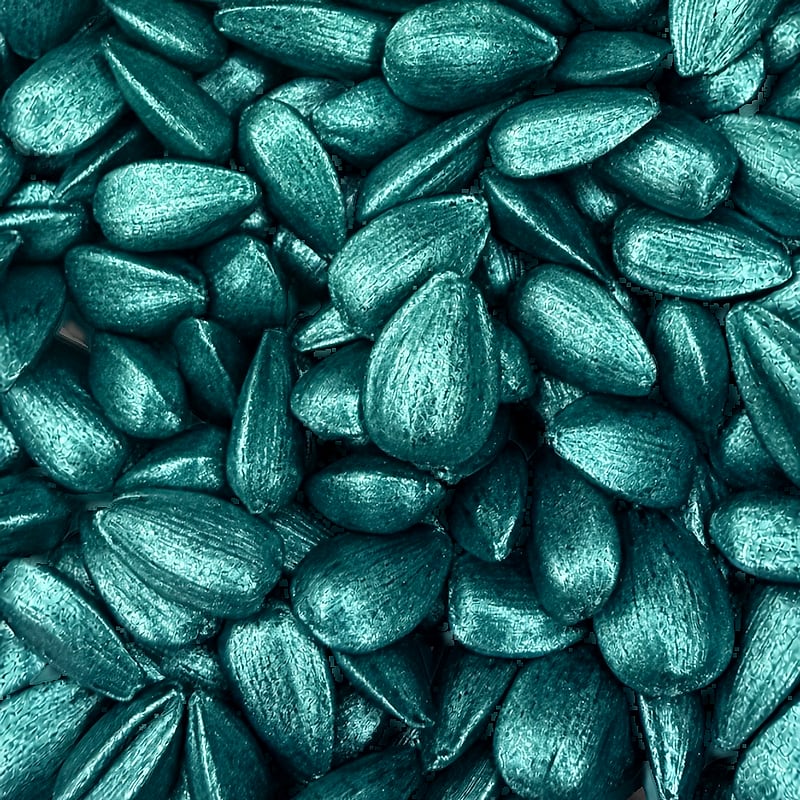
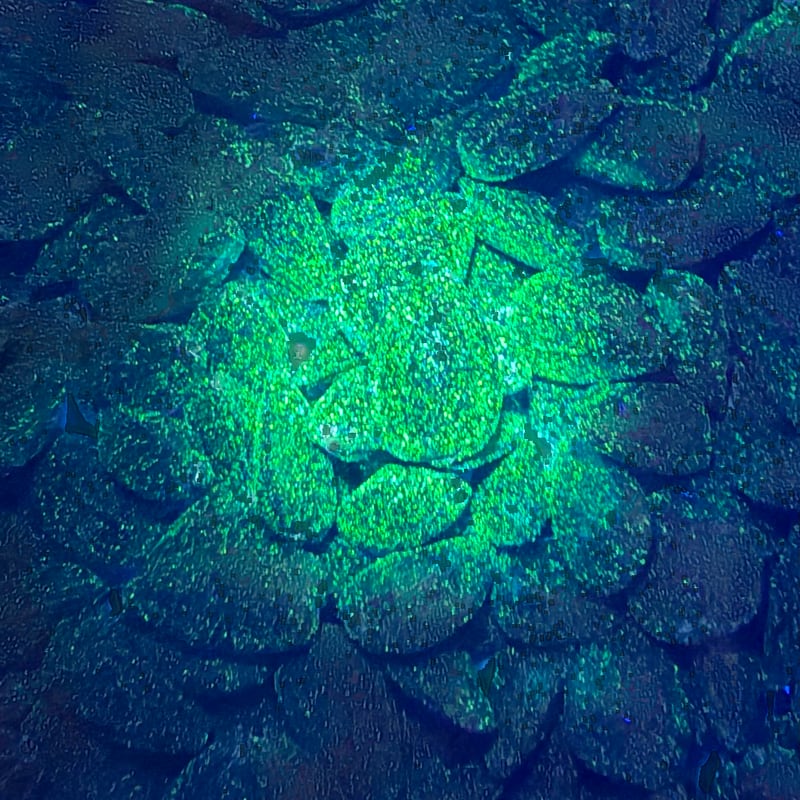
Single-layer coating: a blend of organic pigments, CTA82 StellarSatin Silver and a special UV marker.
What Does It Really Cost per Hectare?
Pearlescent pigments look expensive per kilogram — and cost cents per seeding unit. Check your numbers.
Enter your quoted pigment price to see the cost per hectare
Typically below 0.1% of the seed unit price.
From Sample to Qualification
-
Samples in 48h from Riga stock
-
Screening trial in your binder system
-
Colour matching to your brand book
-
Qualification: public documents online, full dossier under NDA
Questions Seed Technologists Ask
Do pearlescent pigments affect germination?
Mica-based pigments are chemically inert and insoluble. At typical dosages (1–3% of the coating) they do not affect germination or vigour. ISTA germination data for our SC Grade is being generated and will be published here.
Does the dust-suppressed form need a preservative?
No preservative or biocide is added. Microbiological stability is controlled through water activity: CTA82 SC Grade aw = 0.110 and CTA82 OSC Grade aw = 0.201 at 25 °C, measured by an independent laboratory on 7 October 2026. aw will be declared per batch; test reports are available on request. Product forms for seed coating.
Can I use the pigments in organic seed production?
OSC Grade — dust-suppression system built exclusively from food-grade components of natural origin (non-GMO), selected for compatibility with Regulation (EU) 2018/848. Intended for organic seed production. OSC Grade is not an organic certification. An application for listing in the FiBL Input List is planned for Q4 2026; no listing decision has been received yet. Please check the eligibility of the complete coating with your control body. Product forms for seed coating.
Can I get the full composition of the dust-suppression system?
The composition is confidential. Statements CT-REG-030 (SC Grade) and CT-REG-031 (OSC Grade) describe the nature and regulatory status of the components and are available on request. Full composition and test data are shared under a non-disclosure agreement with qualified partners and, where required, with the customer's control body. Request NDA
Will flake pigments increase dust-off?
Fine fractions (5–30 µm) are selected to anchor in the film former at recommended dosages. Comparative Heubach dust-off data in model coating (current Euroseeds method, ring-tested laboratory) — in progress, H1 2027.
Are your pigments microplastic-free?
Yes. Mica-based pearlescent pigments are inorganic materials outside the SPM definition of Regulation 2023/2055. A signed MPF Statement (CT-REG-001) is available for download.
Does “fluorphlogopite” mean the pigment contains PFAS?
No. Fluorine is a structural constituent of the inorganic synthetic fluorphlogopite lattice; total fluorine is therefore not a PFAS indicator for this product. No organofluorine compounds are used or intentionally added; the products contain no carbon–fluorine bonds. Full FAQ on the CTA Series page.
What about heavy metals?
Guaranteed heavy-metal limits per element (incl. Ni, Cr(VI), Tl) — available on request. Formal Statement (CT-REG-022) to be issued with accredited ICP-MS verification, Q4 2026. Request current limits
Are coated seeds compatible with optical sorting?
Pearlescent coatings change seed reflectance in a consistent, characterisable way. We can provide reflectance data and support sorter calibration during trials.
What are your minimum order quantities?
Sampling from 100 g, pilot lots from single-bag quantities, production from stock in Riga. Small enough to trial, fast enough to scale.
Can we get an exclusive shade?
Yes — we reserve custom grades per customer within a defined crop segment. Ask your technical sales manager for terms.
Ready to Screen It in Your Coating System?
Request seed-grade samplesRegulatory Radar
A quarterly one-pager on seed-coating compliance (MPF deadlines, Heubach method updates, FPR). Subscribe with your work e-mail.
Used only for the digest — unsubscribe any time. Privacy Policy
✓ Subscribed — first digest lands next quarter.
Sending failed — please try again.